The ABC Murders
About This Show
Set in 1933, several years after his heyday, an older, greyer, and largely forgotten Hercule Poirot begins receiving taunting letters threatening murder from a mysterious sender who signs themselves only “A.B.C.” Finding that his old friends and police contacts have moved on and his reputation has faded, Poirot’s warnings are dismissed—until the murders actually begin, following a horrifying alphabetical pattern, forcing the once-great detective to take matters into his own hands and prove he hasn’t lost his celebrated powers of deduction.
The ABC Murders is a three-part BBC One television adaptation of Agatha Christie’s classic 1936 novel of the same name, broadcast over three consecutive nights beginning 26 December 2018. Adapted by acclaimed screenwriter Sarah Phelps and directed by Alex Gabassi, the miniseries marked a bold and deliberately unconventional return of Hercule Poirot to television, continuing the unique production partnership between Agatha Christie Limited and Mammoth Screen that had already delivered several distinctive Christie adaptations for BBC One under Phelps’s pen, including And Then There Were None, Witness for the Prosecution, and Ordeal by Innocence.
The casting of John Malkovich (Being John Malkovich, Dangerous Liaisons, In the Line of Fire) as Hercule Poirot represented a striking departure from previous, more traditional portrayals by actors like David Suchet. James Prichard, Executive Producer and CEO of Agatha Christie Limited, described The ABC Murders as “one of my great grandmother’s most unsettling and intense stories,” expressing enthusiasm for the “unique approach” Malkovich would bring to the role. Piers Wenger, then Controller of BBC Drama, praised Phelps’s ability to breathe “new life” into Christie’s renowned stories, expressing excitement that she would apply the same reinvigorating approach to Christie’s most iconic detective.
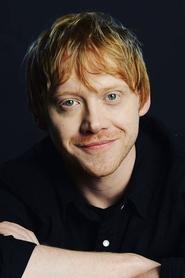
The story finds Poirot in 1933, older, greyer, and largely forgotten by a society that has moved on from his celebrated Belgian eccentricities. No longer revered as he once was, and confronting rising nationalistic bigotry and xenophobia in pre-war England, Poirot begins receiving a series of taunting letters signed only “A.B.C.,” threatening murders in seemingly random locations across the alphabet. When he attempts to alert the police, he finds his former allies have retired, moved on, or simply lost faith in his abilities—Inspector Crome (Rupert Grint, the Harry Potter films), the young detective now handling the case, treats Poirot’s warnings with open scepticism and barely concealed contempt for the fading foreign detective. Yet as the murders begin occurring exactly as threatened—starting with victims whose names and locations follow the alphabet in a chilling, methodical pattern—Poirot recognises he must take matters into his own hands to prove both his innocence in the eyes of suspicious authorities and his enduring investigative genius.
Phelps’s adaptation notably darkens and deepens Christie’s original text, exploring themes of xenophobia, faded celebrity, and the cruelty of a society eager to discard those it once celebrated. This approach proved controversial among some fans and critics; reviewers and Christie purists were divided on Malkovich’s unconventional portrayal, with some feeling his more understated, melancholic take lacked the fastidious theatricality traditionally associated with the character, whilst others praised the fresh psychological depth brought to a detective more usually rendered as a comic eccentric. The production leaned into a bleaker, more atmospheric tone than earlier television Poirots, using period production design to evoke 1930s Britain’s darker undercurrents of prejudice and social anxiety rather than its typical picture-postcard glamour.
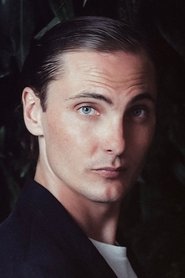
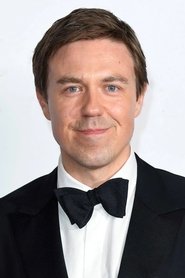
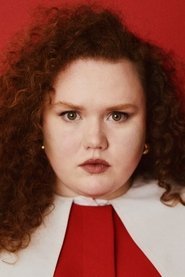
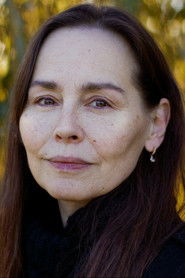
The strong ensemble supporting cast included Andrew Buchan as Franklin Clarke, Eamon Farren as the mysterious Cust, Tara Fitzgerald as Lady Hermione Clarke, Shirley Henderson as Rose Marbury, Bronwyn James as Megan Barnard, Freya Mavor as Thora Grey, Jack Farthing as Donald Fraser, Anya Chalotra as Lily Marbury, and Christopher Villiers as Sir Carmichael Clarke, alongside Gregor Fisher, Henry Goodman, Kevin McNally, and Suzanne Packer in supporting roles. The production values were notably high, with cinematography by Joel Devlin and a haunting score composed by Isobel Waller-Bridge, contributing to the miniseries’ atmospheric, unsettling tone that distinguished it from cosier, more traditional Christie adaptations.
Produced by Mammoth Screen and Agatha Christie Productions for BBC One, with executive producers including Sarah Phelps, Damien Timmer, James Prichard, Basi Akpabio, Elizabeth Kilgarriff, and Helen Ziegler, and produced by BAFTA-nominated Farah Abushwesha, The ABC Murders formed part of a broader, ongoing collaboration bringing fresh, often darker interpretations of Christie’s works to television audiences. Filming began in June 2018, with the finished production airing as a Christmas-season event on BBC One, continuing a tradition of festive Agatha Christie adaptations that had become something of a British television institution.
Critical reception was mixed but engaged, with reviewers acknowledging the strength of Christie’s original plotting whilst debating the merits of Malkovich’s unconventional performance. Some critics found his more subdued, weary portrayal a compelling meditation on faded celebrity and displaced identity, whilst others, including devoted fans of the novels, felt Malkovich simply didn’t embody the fastidious, theatrical energy long associated with literary and previous televised versions of the character. Regardless of the debate over interpretation, the series succeeded in generating significant conversation and viewership, demonstrating the BBC’s continued appetite for reinventing classic Christie material through bold casting choices and Sarah Phelps’s distinctively dark adaptive voice.
The ABC Murders remains available to stream via BritBox in various territories, standing as a notable, if divisive, entry in the long history of Poirot adaptations—one that prioritised psychological depth and social commentary over comfortable nostalgia, offering viewers a starker, more melancholic vision of Christie’s most famous detective confronting both a serial killer and his own fading relevance in a rapidly changing world.
Locations
Setting
- United Kingdom
Books, DVD & streaming
Main cast
Highlighted actors have their own page listing every show they appear in.
- John Malkovich

- Rupert Grint
- Neil Hurst
- Eamon Farren
-
Andrew Buchan 2 shows →
- Bronwyn James
-
Tara Fitzgerald 3 shows →
-
Kevin McNally 2 shows →

Character Tracker
Only shows characters you’ve met so far!
🔒 More characters will unlock as you update your progress
Credits and More
Credits
Agatha Christie wrote The A.B.C. Murders in 1936, one of her most acclaimed and structurally daring Hercule Poirot novels. The book is celebrated for its innovative narrative technique, alternating between Captain Hastings’s first-person account and third-person chapters following the mysterious “A.B.C.” killer, creating a uniquely unsettling reading experience that plays with the reader’s assumptions about the case. The novel introduced a serial killer premise built around an alphabetical pattern of victims and locations, a structural conceit that was highly original for its time and has influenced countless subsequent crime fiction and thriller works. Christie wrote the novel during her prolific “Golden Age” period, and it has consistently ranked among her most highly regarded Poirot mysteries for its clever misdirection, psychological depth, and the way it toys with reader expectations about the killer’s identity and motive. The novel has been adapted multiple times for screen, including a 1965 film (The Alphabet Murders) and the 2018 BBC miniseries, testament to the enduring ingenuity of Christie’s original plotting nearly nine decades after publication.
The 2018 television adaptation was written by Sarah Phelps, a screenwriter who had already established herself as the driving creative force behind BBC One’s recent run of dark, reimagined Agatha Christie adaptations, including And Then There Were None (2015), The Witness for the Prosecution (2016), and Ordeal by Innocence (2018). Phelps developed a distinctive authorial approach to adapting Christie for modern audiences—deliberately darkening and deepening the source material, excavating psychological trauma, social prejudice, and emotional complexity that she felt was often only implicit in the original texts. For The ABC Murders, this meant foregrounding themes of xenophobia and faded celebrity, reimagining Poirot as an isolated, aging figure confronting a Britain turning hostile toward foreigners in the years before the Second World War. The production was directed by Alex Gabassi (The Frankenstein Chronicles), produced by Mammoth Screen and Agatha Christie Productions for BBC One, with Farah Abushwesha producing and James Prichard (Executive Producer and CEO of Agatha Christie Limited, Christie’s great-grandson) providing creative oversight to ensure the adaptation remained a meaningful, if reinterpreted, tribute to his great-grandmother’s work. This ongoing Phelps-BBC-Christie Limited partnership represented a deliberate strategy of using bold casting (John Malkovich as Poirot) and darker, more psychologically probing scripts to bring fresh relevance and critical conversation to some of Christie’s most famous stories for contemporary television audiences.
Similar Shows
Shows with similar vibes and style