Father Dowling Mysteries
 United States
About This Show
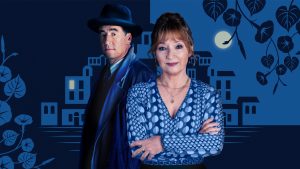
Set in Chicago, Father Dowling Mysteries follows Father Frank Dowling, an amiable, mild-mannered Catholic priest at St Michael’s parish who moonlights as an amateur detective, aided by the streetwise Sister Stephanie “Steve” Oskowski—a rather worldly nun with an unlikely talent for lock-picking. Together, and much to the disapproval of Dowling’s socially ambitious fellow priest Father Prestwick, the pair solve murders and mysteries that regularly cross their path at the church and Rectory, generally outsmarting both the criminals and the local police along the way.
Father Dowling Mysteries, known as Father Dowling Investigates in the United Kingdom, is an American mystery drama television series that aired from 20 January 1989 to 2 May 1991 across three seasons and 43 episodes. Based on the Father Dowling Mystery novels by Ralph McInerny, the series was developed for television by Dean Hargrove and Joel Steiger, preceded by a 1987 television movie, Fatal Confession, which established the character before the full series was commissioned. The show first aired a short initial run on NBC in early 1989, before being picked up by ABC for its main run from January 1990 to May 1991, joining the wave of “amateur sleuth in an unlikely profession” mysteries that flourished on American network television in this era, alongside contemporaries like Murder, She Wrote and Diagnosis Murder.
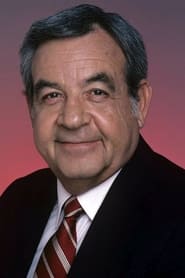
The series stars Tom Bosley (Happy Days) as Father Frank Dowling, a kindly, unassuming Catholic parish priest at St Michael’s Church in Chicago, whose gentle exterior conceals a genuinely sharp analytical mind and an irrepressible curiosity about the mysteries that seem to follow him. Dowling’s habitual lateness for dinner—a running source of exasperation for his housekeeper—stems directly from his tendency to get drawn into investigating crimes, usually involving murder, that occur in and around his parish. His crime-solving partner is Sister Stephanie “Steve” Oskowski (Tracy Nelson), a former streetwise young woman turned nun whose unconventional background, including surprising skills like lock-picking, makes her an unexpectedly effective investigative partner for the gentle, cerebral priest. The contrast between Dowling’s thoughtful, methodical approach and Sister Steve’s streetwise instincts and practical resourcefulness gives the crime-solving duo complementary skills, allowing them to consistently outwit both the criminals they pursue and the official police investigations running in parallel.
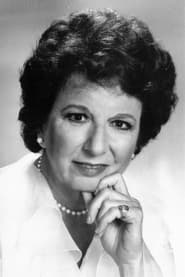
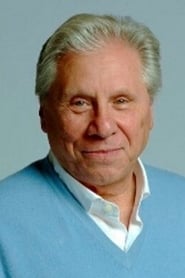
Providing comic relief and occasional obstruction is Father Philip Prestwick (James Stephens), a socially ambitious assistant to the Archbishop who takes a notably dim view of Dowling and Sister Steve’s amateur crime-fighting, particularly resenting Sister Steve’s presence at the Rectory altogether. Prestwick’s priority is always his own ecclesiastical career prospects, and his tendency to drop in on the Rectory right before mealtimes—more interested in advancement and appearances than genuine pastoral concern—provides a running comic contrast to Dowling’s more selfless, curiosity-driven character. Mary Wickes plays Marie Murkin (sometimes referred to as Mrs Gillespie), the parish secretary and Rectory housekeeper, whose long-suffering patience with Dowling’s crime-solving habits and chronic dinner lateness adds warmth and domestic comedy to the show’s ensemble. On the police side, Detective Sergeant Clancy (Regina Krueger) serves as Dowling’s friend and principal police contact for the first two seasons, later supplemented in Season 3 by Lieutenant Foster (Dick O’Neill), an old friend of Dowling’s within the force and a devout Catholic whom Frank frequently persuades into occasional favours during his investigations.
Each episode typically begins with a mysterious visitor arriving at St Michael’s church or the neighbouring parish Rectory, setting in motion a murder mystery that draws Dowling and Sister Steve into amateur investigation. The show’s format, in keeping with its era of American mystery television, favoured accessible, self-contained plots with a gentle tone, light comedy, and a reliably satisfying resolution each week—qualities that made it comfortable, unchallenging viewing well suited to its network scheduling. Production was handled by The Fred Silverman Company, Dean Hargrove Productions, and Viacom Productions, with episodes running approximately 46 minutes.
Father Dowling Mysteries represents a distinctly American entry in the “clerical detective” subgenre that has proven perennially popular across different television traditions—sitting alongside British counterparts like Father Brown in using a priest’s unique position of community trust, moral authority, and access to people’s private lives and confessions as a natural vehicle for amateur crime-solving. Where Father Brown draws on G.K. Chesterton’s philosophical, character-driven approach to detection, Father Dowling Mysteries adopts a lighter, more overtly comedic American network television sensibility, closer in tone to its contemporary Murder, She Wrote than to the more literary British clerical detective tradition.
Though its run concluded after three seasons in 1991, Father Dowling Mysteries has retained a devoted following among fans of cosy, gentle mystery television, its combination of an endearing central duo, accessible whodunit plotting, and Chicago setting offering a distinctly American flavour to the amateur-sleuth-priest formula. The series remains a fondly remembered example of the late-1980s and early-1990s wave of accessible, character-driven American mystery drama, and continues to find audiences through syndication and streaming, offering a warmer, more overtly comic counterpart to the British clerical detective dramas that have since come to dominate the cosy crime genre internationally.

Locations
Setting
- Chicago, Illinois, United States — Amateur sleuth priest & Sister Steve at the rectory
Filmed in
- Denver, Colorado, United States (Chicago)
Books, DVD & streaming
Main cast
Highlighted actors have their own page listing every show they appear in.



Character Tracker
Only shows characters you’ve met so far!
🔒 More characters will unlock as you update your progress
Credits and More
Credits
Ralph McInerny (1929-2010) was an American philosopher, novelist, and longtime professor at the University of Notre Dame, where he taught medieval philosophy for over five decades whilst maintaining a prolific parallel career as a mystery writer. Under his own name, McInerny created the Father Dowling series of novels, beginning with Her Death of Cold (1977), drawing on his deep grounding in Catholic theology and philosophy to craft a priest-detective whose investigative approach was rooted in genuine pastoral wisdom and moral insight rather than procedural forensics. McInerny wrote prolifically across his career, authoring dozens of novels in the Father Dowling series alone, alongside numerous other works of fiction and serious academic philosophy—an unusual dual career that saw him equally at home writing rigorous scholarly texts on Thomas Aquinas and crafting accessible, engaging mystery fiction for a popular audience. His Father Dowling character predated and directly inspired the television adaptation, and McInerny continued writing new instalments in the book series throughout the years the television show aired and beyond, maintaining Father Dowling as one of his most enduring and commercially successful literary creations until his death in 2010.
The television adaptation of Father Dowling Mysteries was developed for the screen by Dean Hargrove and Joel Steiger, both experienced television producers with backgrounds in American mystery and procedural drama. Hargrove, in particular, was a prolific figure in the genre, having worked extensively on shows including Matlock, Perry Mason television movies, and Jake and the Fatman, bringing considerable expertise in crafting accessible, network-friendly mystery formats to his adaptation of McInerny’s novels. The series began life as a 1987 television movie, Fatal Confession: A Father Dowling Mystery, which tested the character and format before the full series was commissioned, first airing on NBC in early 1989 before moving to ABC for its principal run from 1990 to 1991. Production was handled by The Fred Silverman Company (led by veteran television executive Fred Silverman, known for his programming success at all three major US networks), Dean Hargrove Productions, and Viacom Productions, reflecting a partnership between experienced industry figures well versed in creating comfortable, dependable mystery programming for American network audiences. Hargrove and Steiger’s adaptation streamlined McInerny’s more philosophically dense literary voice into a lighter, more overtly comedic television format, better suited to the accessible, case-of-the-week structure that defined successful American mystery television of the era.
Similar Shows
Shows with similar vibes and style