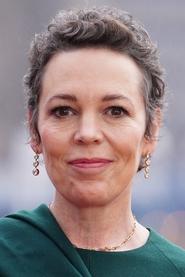
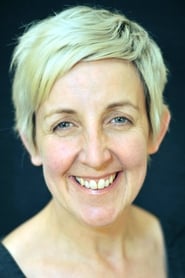
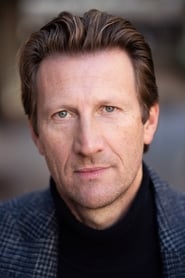
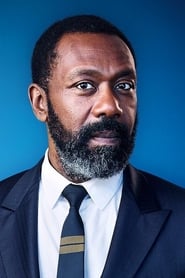
Set in the fictional Dorset seaside town of Broadchurch, the series begins when the body of eleven-year-old Danny Latimer is discovered on the beach, plunging the tight-knit coastal community into grief, suspicion, and scandal. Detective Inspector Alec Hardy, a brooding outsider hiding secrets of his own, is paired with local Detective Sergeant Ellie Miller—who knows nearly every resident personally—to investigate a case that exposes buried lies, fractures friendships, and tests the town’s very fabric, as press intrusion and public scrutiny turn neighbour against neighbour in the search for the truth.
Broadchurch is a British crime drama written and created by Chris Chibnall (Doctor Who, Torchwood) that aired on ITV across three series between 2013 and 2017, becoming one of the most acclaimed and closely watched British dramas of the decade. Produced by Kudos Film and Television, the eight-part first series premiered on 4 March 2013 and proved an immediate phenomenon, with its finale watched by a peak audience of 8.9 million viewers. The series won three BAFTA Television Awards, including Best Drama Series, alongside a National Television Award, and was named by the Radio Times as the best television series of 2013—a rare feat for a whodunit that succeeded not just on plot mechanics but on genuine emotional depth.
The series stars David Tennant (Doctor Who) as Detective Inspector Alec Hardy, an outsider newly arrived in Broadchurch carrying professional baggage and personal secrets from a previous failed case, and Olivia Colman (Peep Show, Rev) as Detective Sergeant Ellie Miller, a lifelong local officer who had expected the promotion Hardy received and who knows nearly everyone in the close-knit community personally—including, devastatingly, the family at the centre of the case. This dynamic, pairing a grumpy, secretive outsider with a deeply embedded local whose personal relationships complicate every step of the investigation, provided both dramatic tension and genuine emotional stakes rarely achieved in the police procedural genre, with Colman’s raw, layered performance as Ellie earning particular acclaim, including her own BAFTA win for Best Actress.
Series One centres on the murder of eleven-year-old Danny Latimer, whose body is discovered on Broadchurch beach, sending shockwaves through the town and devastating his parents, Beth (Jodie Whittaker) and Mark Latimer (Andrew Buchan). As Hardy and Miller’s investigation unfolds across eight tense episodes, virtually every resident of Broadchurch becomes a suspect, with the show notably taking its time to explore the psychological toll of the investigation on the wider community—reporters descending on the town, neighbours turning against each other, long-buried secrets surfacing, and the specific, corrosive effects of public suspicion and media intrusion on ordinary people’s lives. This focus on grief and community trauma, rather than simply the puzzle of “whodunit,” distinguished Broadchurch from more procedural British crime dramas and drew deserved comparisons to the acclaimed Danish series Forbrydelsen (The Killing), which had similarly prioritised emotional realism over pure plot mechanics.
The excellent ensemble supporting cast included Arthur Darvill (Doctor Who) as the town’s vicar, Reverend Paul Coates; Vicky McClure (This Is England, Line of Duty) as journalist Karen White; Pauline Quirke as local shopkeeper Susan Wright; Matthew Gravelle as Joe Miller, Ellie’s husband; and Jonathan Bailey (later of Bridgerton fame) as young reporter Olly Stevens. Carolyn Pickles played local newspaper editor Maggie Radcliffe, whilst Charlotte Beaumont and Adam Wilson played the Latimer children, Chloe and Tom. This depth of supporting characters allowed the series to explore the ripple effects of tragedy across an entire community rather than focusing narrowly on the central detective pairing.
Series Two, which followed in 2015, took the bold structural decision to interweave two storylines: the aftermath of the Series One trial (which concludes with a genuinely shocking and divisive verdict), and Hardy’s return to his previous unsolved case—the Sandbrook murders—that had driven him to Broadchurch in the first place. This more ambitious, dual-narrative structure divided critics and audiences, with some feeling it lost the tight focus that made the first series so gripping, though Tennant himself defended the series robustly, noting that any project following such a phenomenally successful debut would inevitably face the “it’s not as good as the first time” reaction. Series Three (2017), the show’s final outing, shifted to an entirely new case—the rape of local woman Trish Winterman (Julie Hesmondhalgh)—handling the sensitive subject matter with notable care and sensitivity whilst bringing Hardy and Miller’s story to its conclusion.
Series creator Chris Chibnall drew direct inspiration from Dorset’s Jurassic Coast, where he lives, for the show’s setting and atmosphere; the fictional town’s very name combines the real Dorset hamlets of Broadoak and Whitchurch, whilst Tennant’s character Alec Hardy was named in homage to Dorset-born novelist Thomas Hardy. Despite this Dorset inspiration, the series was actually filmed principally around North Somerset, with the coastal town of Clevedon transformed into the fictional Broadchurch, alongside additional filming in Bristol, Shepton Mallet, Portishead, and Weston-super-Mare—demonstrating, much like other British crime dramas, the frequent gap between a show’s fictional setting and its actual production locations.
Broadchurch’s success proved so significant that it inspired an American remake, Gracepoint (2014), also starring David Tennant, produced for the Fox network, though the US version failed to replicate the original’s critical and cultural impact. The original series’ influence on British television extended well beyond its own run, helping to cement the “grief-driven, community-focused murder mystery” as a dominant mode in British crime drama through the 2010s, its DNA visible in numerous subsequent series that similarly prioritised psychological realism and community fracture over pure procedural mechanics.
Whilst Broadchurch sits at a darker, more intense end of the British crime drama spectrum than many “cosy crime” staples—its unflinching depiction of grief, media intrusion, and community trauma places it closer to prestige drama than gentle Sunday-evening entertainment—its coastal town setting, ensemble character study approach, and focus on how a single crime reverberates through an entire community place it firmly within the broader tradition of British place-based crime storytelling. For audiences who appreciate British crime drama that takes emotional and psychological consequences as seriously as its central mystery, Broadchurch remains a landmark achievement—a series that elevated the genre through extraordinary performances, confident writing, and a genuine willingness to sit with grief rather than resolve it neatly, cementing its place as one of the defining British television dramas of its decade.
Yes, just Register and you will then be able to add notes to every character. Just click/tap on the character. The notes can only be seen by you (when you are Logged In)
🔒 More characters will unlock as you update your progress
Credits and More
Credits
📚 Original Author
Broadchurch is an original television creation rather than a book adaptation, so there is no separate literary source to draw on — the series was conceived directly for the screen by its writer-creator. Interestingly, the relationship between page and screen ran in the opposite direction to most crime drama: following the show’s phenomenal success, a tie-in novel was commissioned, co-written by creator Chris Chibnall alongside British psychological thriller author Erin Kelly, published in 2014. The novel expanded on the television scripts to give readers additional depth and interiority into the town’s residents, but the story itself originated as pure television drama rather than the more typical page-to-screen route seen in most detective series.
🎬 TV Series Creator
Broadchurch was written and created by Chris Chibnall, a screenwriter already well established through his work on Doctor Who and Torchwood before conceiving the series. Chibnall drew directly on his own life for the show’s setting and atmosphere, taking inspiration from the Jurassic Coast in Dorset, where he lives — the fictional town’s name is a combination of the real Dorset hamlets of Broadoak and Whitchurch, whilst David Tennant’s character, DI Alec Hardy, was named in homage to Dorset-born novelist Thomas Hardy. Chibnall described his vision for the series as “a story of scale and intimacy,” in which the residents’ lives are “laid bare” following one boy’s death — a description that captures the show’s distinctive focus on community-wide grief and consequence rather than pure procedural puzzle-solving. He served as sole writer across all three series, maintaining tight creative control over the show’s tone, pacing, and character development throughout its run, and later parlayed this success into becoming showrunner of Doctor Who itself from 2018 to 2022. The series was produced by Kudos Film and Television, with Chibnall’s singular authorial voice widely credited as central to Broadchurch’s success — his willingness to slow down, sit with grief, and treat every member of an ensemble cast as a fully realised person marking a notable departure from more plot-driven British procedurals of the period.