Detective Inspector Max Arnold, whose lifestyle on a battered houseboat in Chelsea's Cheyne Walk contrasts sharply with the affluent elite whose crimes he helps solve.
The Chelsea Detective brings a distinctly localised approach to London crime drama, eschewing the generic metropolitan setting common to many police procedurals in favour of exploring one of the capital’s most distinctive and affluent boroughs. Created by Peter Fincham and produced by Expectation for Acorn TV and ZDF, this British series premiered in 2022 and has become one of Acorn TV’s most successful originals, earning renewal for a fourth season in 2025. Starring the accomplished character actor Adrian Scarborough as Detective Inspector Max Arnold, the series makes a virtue of its specific Chelsea location, showcasing gorgeous shots of local landmarks, riverside vistas, and the distinctive architecture of an area that was once a village near the city rather than part of London’s urban sprawl.
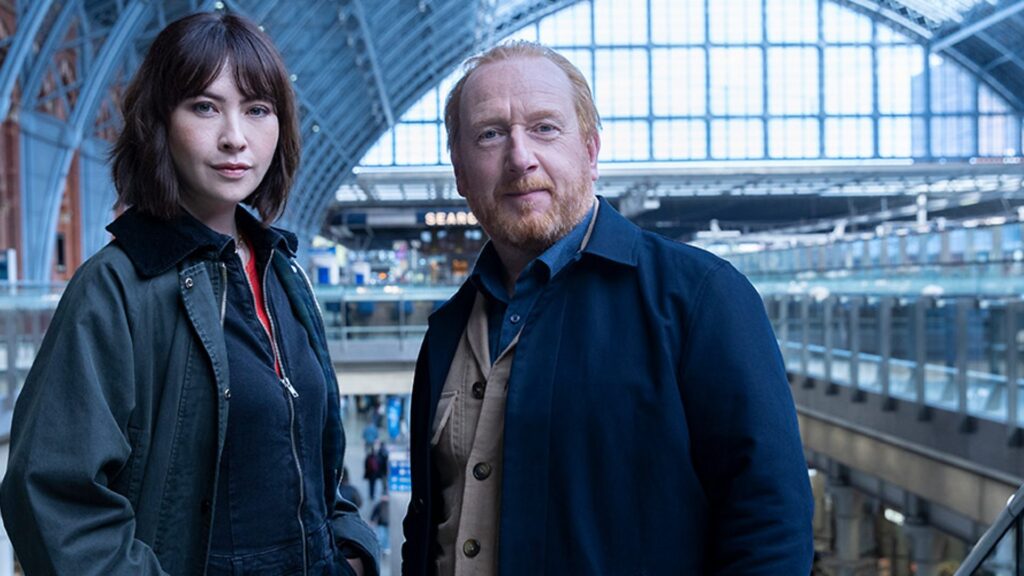
Adrian Scarborough, twice winner of the Laurence Olivier Award and known for supporting roles in films including The King’s Speech, Gosford Park, and 1917, takes centre stage as Max Arnold, a dedicated detective whose humble lifestyle contrasts sharply with the moneyed world he polices. Max lives on a dilapidated houseboat moored at Cheyne Walk on the Thames—a floating home that reflects both his connection to Chelsea and his distance from its wealthy elite. He cycles to work on a mountain bike, plays piano to unwind, and possesses the kind of local knowledge that comes from deep family connections to the area. Crucially, Max is dyslexic, a detail that adds both vulnerability and distinctiveness to his character without defining him or his capabilities as a detective.
Scarborough brings depth and subtlety to a role that could easily have become stereotypical. Known primarily for comic and character parts, he plays Max with quiet competence and a slight weariness that never tips into world-weary cynicism. His performance is measured and naturalistic, creating a detective who solves crimes through solid police work, careful observation, and the kind of persistence that comes from genuine dedication to the job rather than personal demons or maverick tendencies. As Scarborough himself notes, the show deliberately avoids gore, focusing instead on how skilled professionals approach their work with intelligence and thoroughness.
The series structure revolves around feature-length episodes of approximately ninety minutes each, allowing for more complex mysteries and deeper character development than standard hour-long formats permit. The first series introduced Max working alongside DS Priya Shamsie, played by Sonita Henry, whose no-nonsense approach and new-mother perspective created an engaging partnership marked by mutual respect and complementary skills. Their dynamic worked beautifully, with Henry’s Priya providing a strong foil to Max’s more contemplative style.
For the second and third series, the partnership changed when Vanessa Emme joined as DS Layla Walsh, bringing a different energy to the detective duo. Layla is strong-willed and plucky, with a trust-based relationship with Max that’s enlivened by natural banter. Scarborough and Emme developed their working rapport quickly, with the actor noting it took them about forty-eight hours to understand each other’s sense of humour before it became “plain sailing.” The shift in partnership initially divided some viewers who mourned Priya’s departure, though many came to appreciate Layla’s distinct personality and the fresh dynamic she brought to investigations.
The supporting team at the station adds depth without the antagonism that often characterises police dramas. The series deliberately presents the Chelsea police as consummate professionals who work brilliantly together—DC Connor Pollock, played by Peter Bankolé, and DC Jess Lombard, portrayed by Lucy Phelps, provide solid support and investigative expertise. Sophie Stone appears as Ashley Wilton, whilst Anamaria Marinca features as Astrid Fischer. Frances Barber brings theatrical presence to her role as Max’s Aunt Olivia, though the casting is amusing given that Barber is only ten years older than Scarborough despite playing an elder aunt.
The Chelsea setting proves integral to the series’ identity and appeal. The production makes full use of location filming throughout the borough, showcasing everything from riverside walks and elegant squares to art galleries, retirement homes, and Georgian townhouses. The neighbourhood’s particular character—its blend of old money and new wealth, artistic heritage and contemporary commerce, village-like intimacy and urban anonymity—provides rich territory for crime stories. Cases involve art gallery managers, psychotherapists, food delivery company owners, aristocratic dynasties, and fashion moguls, all set against Chelsea’s glossy facade and the darker currents that run beneath it.
The mysteries themselves strike a balance between classic whodunit puzzles and contemporary crime drama. The plots feature the usual combination of twisty narratives, strategic lies, and interrogations, but executed with intelligence and attention to procedural detail. As one reviewer noted, there are moments when suspects fail to mention crucial information for absurd reasons (“Why didn’t I tell you I was at the victim’s house five minutes before he was bludgeoned to death? I didn’t think it was relevant”), but these are genre conventions that viewers of British detective drama have come to expect and even enjoy.
The tone deliberately avoids sensationalism. The production team consciously decided against emphasising gore or graphic violence, focusing instead on the intellectual puzzle of detection and the human stories behind the crimes. This approach places The Chelsea Detective firmly in the tradition of classic British detective series that prioritise plot, character, and setting over shock value. It’s not innovative or radical—as some viewers observe, it’s familiar and comfortable viewing after a working day—but therein lies much of its appeal.
Peter Fincham’s creation began during lockdown in a world of social distancing and COVID tests, making it all the more remarkable that the series has reached its fourth season. The show has found particular success with Acorn TV subscribers, who appreciate its combination of solid mystery plotting, appealing characters, and the vicarious pleasure of exploring Chelsea’s streets and landmarks. The production team has benefited from being one of the only British cop shows filming extensively in central London, giving them access to locations and atmospheres that add authenticity and visual appeal.
The Chelsea Detective represents quality British crime drama in its most reliable form—well-acted, intelligently plotted, handsomely produced, and refreshingly free of the darkness or dysfunction that weighs down many contemporary detective series. It offers viewers the satisfaction of watching competent professionals solve complex crimes in one of London’s most photogenic neighbourhoods, all anchored by Scarborough’s quietly compelling performance as a detective who proves that you don’t need to be tortured, maverick, or extraordinary to be genuinely interesting.
Yes, just Register and you will then be able to add notes to every character. Just click/tap on the character. The notes can only be seen by you (when you are Logged In)


![The Chelsea Detective: Series 1 [DVD]](https://m.media-amazon.com/images/I/81EhoDmXA7L._AC_UY218_.jpg)
![The Chelsea Detective Series 2 [DVD]](https://m.media-amazon.com/images/I/81gHJpgatrL._AC_UY218_.jpg)
![The Detectives - Series 2 [DVD]](https://m.media-amazon.com/images/I/61bcrrSFNNL._AC_UY218_.jpg)

![The Chelsea Detective Series 1&2 [DVD]](https://m.media-amazon.com/images/I/81kVtfhfKlL._AC_UY218_.jpg)